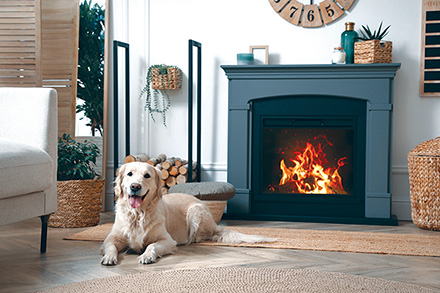
Fireplaces are often a centerpiece of an interior living space. Homeowners often laud the ambiance a fireplace can provide, and the supplemental heat a fireplace can provide can be just what people need to stay warm on a cold day. The Northeast Hearth, Patio & Barbecue Association says an estimated 57 percent of homeowners in the United States own some type of fireplace, freestanding stove or hearth product. However, fireplaces are not without their potential for problems.
Issues that can affect a fireplace will depend on the type of system, as problems that affect wood-burning fireplaces will differ from those that can affect gas units. The following are some potential issues homeowners can look out for when using their fireplaces.
Smoke spillage: Fireplaces are supposed to vent up and out through a chimney or exhaust pipe. But if a damper is closed or blocked, if the chimney is dirty, or if there is negative air pressure in a tightly sealed home, smoke cannot escape and will enter the living space.
Creosote formation: Creosote is a flammable, tar-like substance that is the result of burning wood. Creosote significantly increases the risk of a chimney fire. Creosote can build up in the flue over time if it is not remediated.
Odors: A dirty chimney from creosote or moisture damage can result in a foul odor emanating from the fireplace. This also may occur if a bird or rodent nests in the chimney.
Ignition failure: Gas units may not always light properly. Doctor Flue says it could be the result of a malfunctioning pilot light or an improperly placed log set. In addition, if the pilot light goes out as soon as the button is released, it may indicate a dirty or faulty thermocouple or thermopile, which are sensors that keep the gas valve open.
Cracked masonry: Any cracks in the mortar, firebricks or chimney crown are major hazards. Cracks in such components increase the risk of a house fire and should be immediately addressed.
Drafts: Cold air coming through the fireplace may indicate a damaged or missing damper.
Carbon monoxide: Grill Parts Replacement says poorly vented fireplaces can lead to a buildup of carbon monoxide inside the home, which is a health hazard.
Oftentimes homeowners should leave fireplace troubleshooting to a professional. Annual inspections of units can head off potential problems to ensure safer operation.